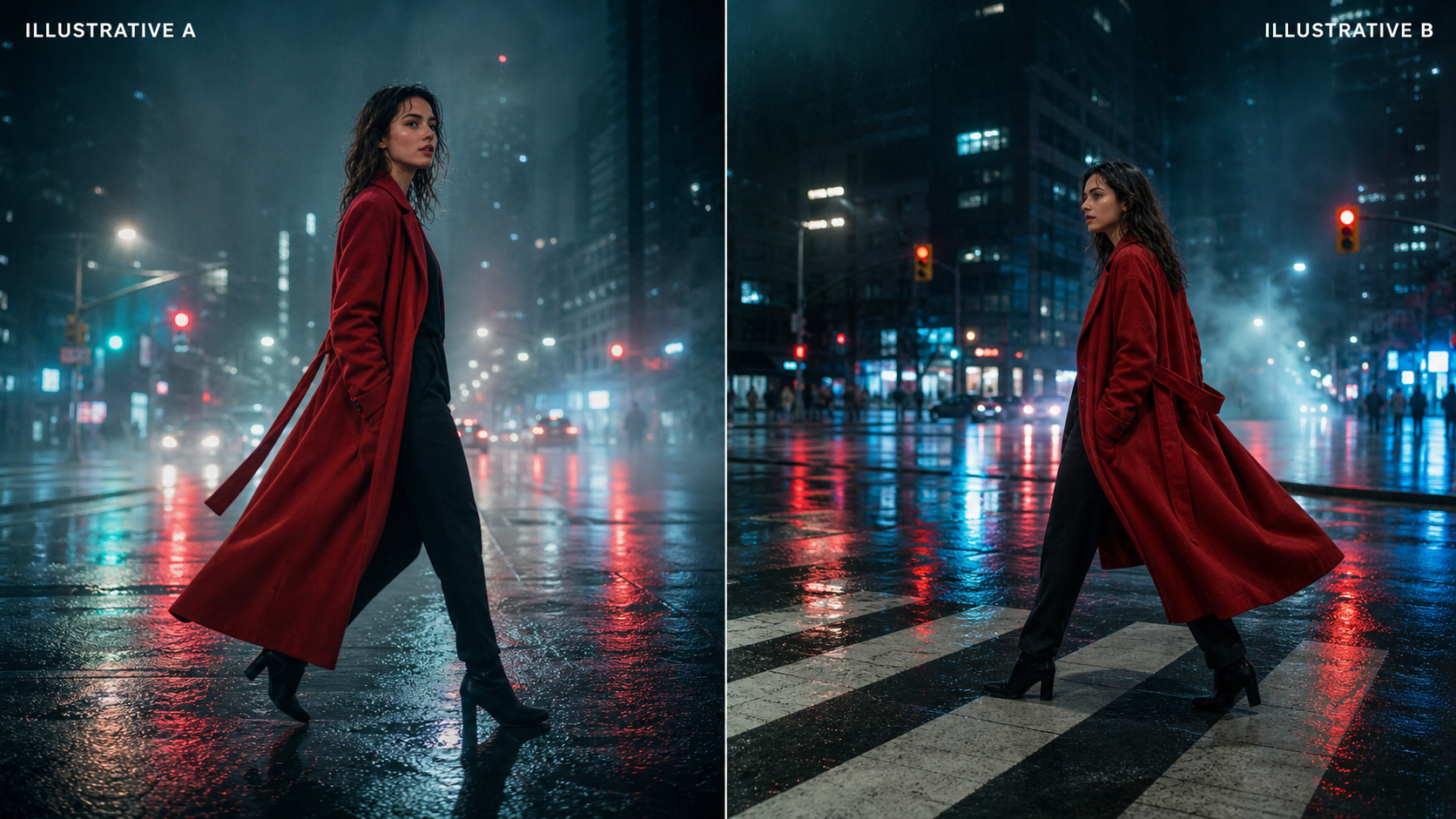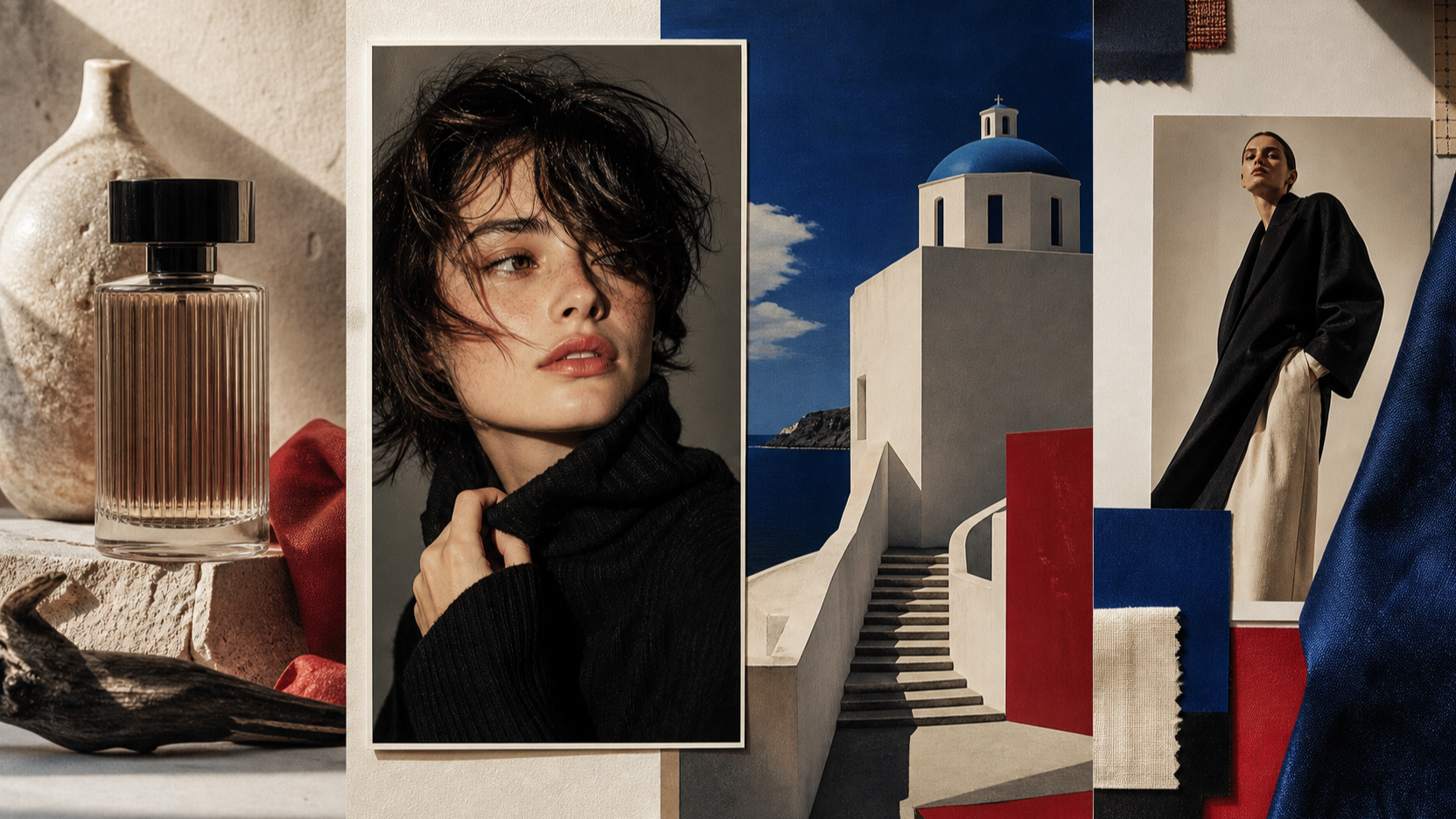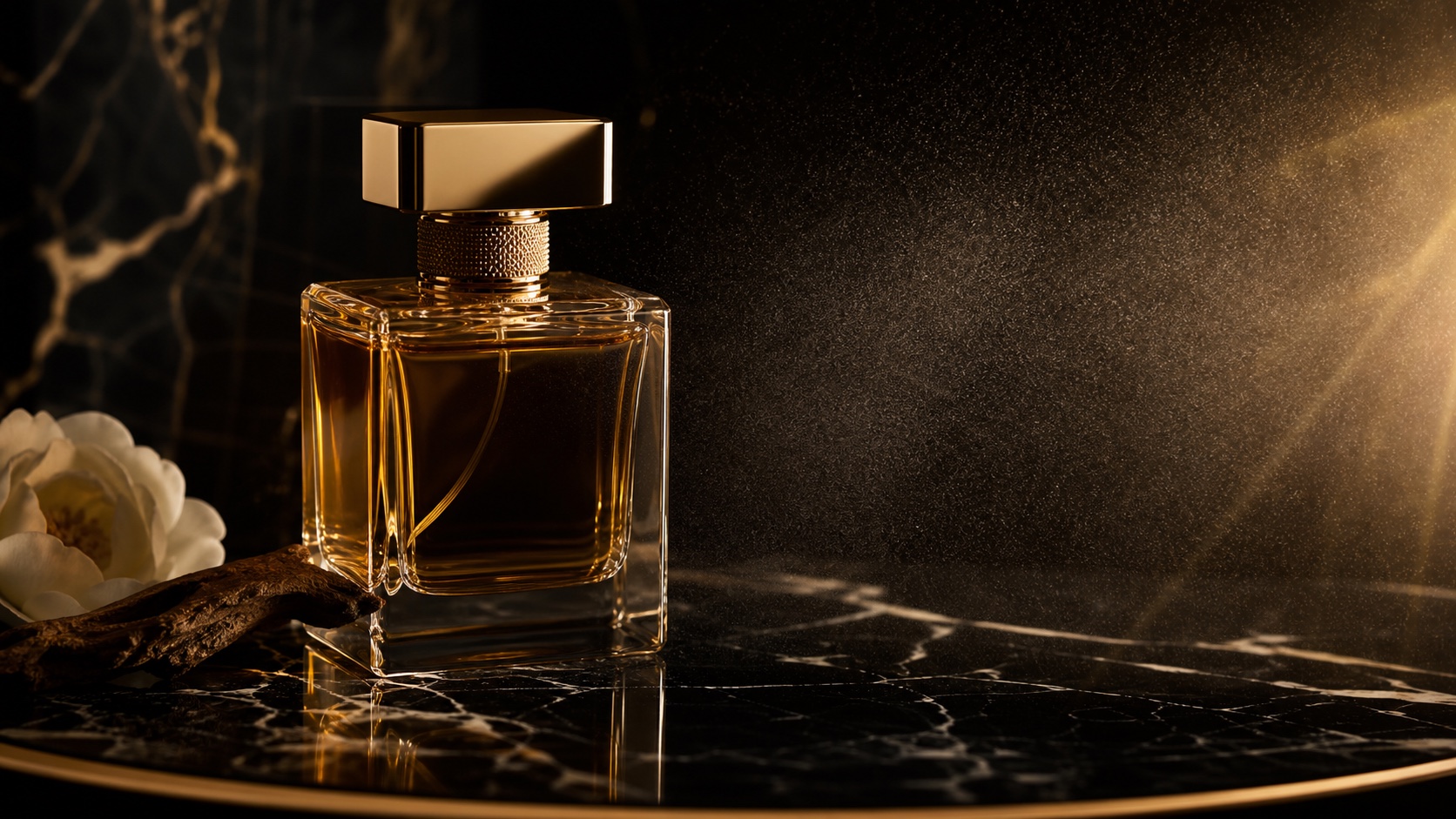
Interest in GPT image 2 has moved beyond rumor. As of the latest OpenAI updates, the company has officially introduced ChatGPT Images 2.0 inside ChatGPT and made gpt-image-2 available to developers through the API and Codex. That makes this a much clearer story than it was just a short time ago.
The naming is still a little confusing, which is why so many people are searching for terms like openai image 2.0 or trying to figure out whether the new release is a ChatGPT feature, an API model, or both. The best way to understand it is simple: ChatGPT Images 2.0 is the user-facing rollout in ChatGPT, while gpt-image-2 is the latest OpenAI image model for developers.
That distinction matters because it changes how people should talk about the release. This is no longer just speculation about a possible next-generation image system. It is now an active OpenAI rollout with clearer product naming, clearer access paths, and clearer practical use cases.
What OpenAI has officially launched
The most important update is that OpenAI now treats this generation as a real product release rather than a loosely inferred upgrade. In ChatGPT, the feature is presented as ChatGPT Images 2.0. For developers, the newest image model is gpt-image-2, which supports generation and editing workflows through OpenAI’s image tooling.
That means the search phrase OpenAI GPT image 2 is now much closer to official reality than it was in earlier coverage. People were previously using the label as shorthand for the next step after GPT Image 1.5. Now the product direction is much more concrete: OpenAI has formalized both the ChatGPT experience and the API-side model.
For regular users, the headline is access in ChatGPT. For builders, the bigger story is that gpt-image-2 is positioned as OpenAI’s most capable image generation model so far, aimed at complex visual tasks and more usable outputs.
What’s actually new in this release
The reason GPT image 2 OpenAI is getting so much attention is not just branding. The improvements point to a meaningful step forward in practical image generation.
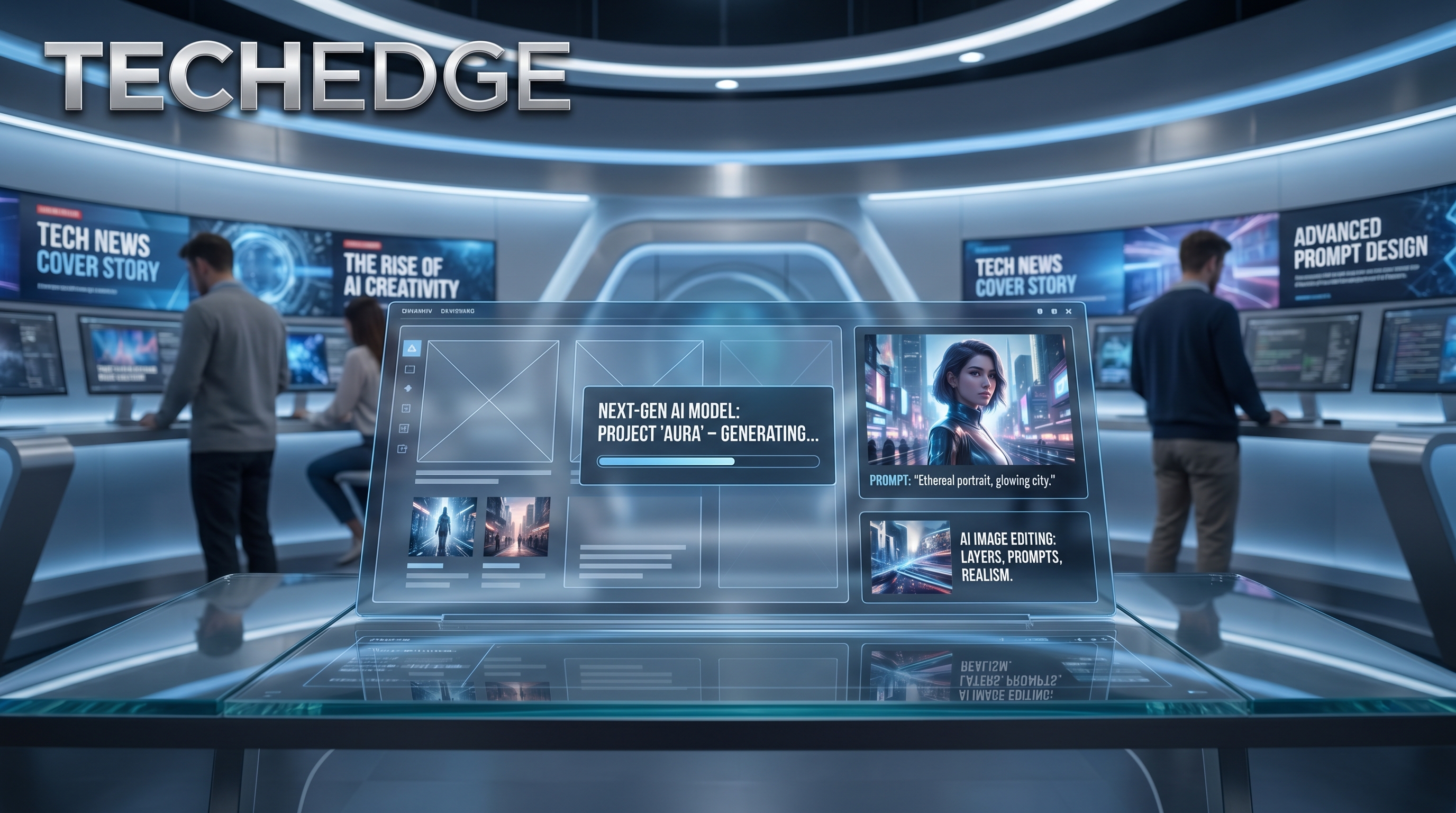
The first major shift is better text rendering. This is a very big deal in real workflows. Earlier image models were often impressive at mood, style, and composition, but much weaker when asked to produce readable headlines, labels, posters, UI text, menus, or infographic-style content. The new rollout puts much more emphasis on readable and structured visuals.
The second major shift is stronger multilingual support. OpenAI is showing examples that highlight better handling of text across multiple languages and scripts, which is especially important for marketing teams, publishers, global brands, and creators making localized visual assets.
The third improvement is more reliable editing and instruction-following. OpenAI describes the new model as stronger at editing, layouts, and prompt fidelity, which matters for anyone who wants outputs that are usable with less cleanup. Instead of just generating attractive images, the model is moving closer to generating functional visual assets.
There is also a workflow improvement worth noting: ChatGPT now includes images with thinking on paid plans. In practice, that means the system can spend more time planning and refining an image before generating it, which could be especially useful for structured design tasks, more complex prompts, or iterative creative work.
Why this matters more than a routine model upgrade
A lot of AI image news sounds bigger than it really is. This one matters because it targets one of the most frustrating gaps in image generation: usefulness.
For a long time, image generators were great at creating something eye-catching, but not always something usable. If text was broken, interface spacing was off, or instructions were only loosely followed, the image still needed a lot of manual cleanup. That limited its value for real product, marketing, and design work.
Now, chatgpt image 2.0 looks much more relevant to day-to-day production tasks. If the model can generate cleaner posters, diagrams, charts, social graphics, interface mockups, comics, and branded assets, then it becomes useful not only for artists and hobbyists, but also for founders, advertisers, educators, marketers, and developers.
That is the real significance of this release. It is not only about prettier outputs. It is about image generation becoming more dependable for communication.
What it means for creators and developers
For creators, the new chatgpt image model is easier to think of as a production assistant rather than a purely experimental art tool. It is better suited to early campaign drafts, storyboard ideas, social assets, concept posters, mock presentations, and design-heavy visual experiments.
For developers, the story is even more direct. The API documentation now points to gpt-image-2 as the latest GPT Image model, and OpenAI supports both image generation and image editing workflows. Developers can use the Image API for straightforward generation or edits, and they can use the Responses API for more conversational, multi-turn image experiences.
That is why interest in the chatgpt image api is growing. In practice, people are not only looking for a model that makes good-looking pictures. They want one that can slot into products, editing flows, content pipelines, and business tools where images have to be accurate, readable, and aligned with instructions.
Where to access GPT Image 2 right now
There are really three practical ways to think about access.
First, ChatGPT users can access the new image experience through ChatGPT Images 2.0. That is the most direct route if you want to create or edit images conversationally inside ChatGPT.
Second, developers can access gpt-image-2 through OpenAI’s API stack and related tooling. This is the better route for apps, automated workflows, custom interfaces, and more advanced image products.
Third, for users who want a simpler editing-oriented interface outside the OpenAI platform itself, Fylia AI’s GPT image 2 workflow is a practical place to watch and experiment. A chat-based editor is especially useful for people who care less about raw API plumbing and more about quickly testing prompts, editing directions, and visual revisions in a more accessible environment.
That makes Fylia’s chat image editor a sensible recommendation in this article. It aligns with how people actually use these systems now: not just one-shot generation, but iterative image refinement through natural-language instructions.
The main takeaway
The biggest change is that the article no longer needs to treat GPT Image 2 as a vague internet rumor. OpenAI has now made the story much clearer. ChatGPT Images 2.0 is live in ChatGPT, and gpt-image-2 is available for developers as the latest GPT Image model.
So the smarter way to frame the topic today is this: GPT Image 2 is real, but the rollout has two names depending on where you use it. In ChatGPT, it appears as ChatGPT Images 2.0. In developer workflows, it appears as gpt-image-2.
That clarity also makes the rest of the story easier to understand. The new generation is focused on stronger text rendering, better multilingual support, improved editing, more reliable layouts, and more usable outputs for real-world visual work. In other words, OpenAI is pushing image generation closer to practical production.
For creators and builders, that is the real reason to care. This release is less about hype and more about usefulness. And if you want to explore that shift in a more accessible way, Fylia AI’s GPT image 2 OpenAI experience is a solid companion option for chat-based editing and experimentation.
Related Article
- Unlock Creative Image Edits with GPT Image Generator
- Nano Banana 2 vs Nano Banana Pro: Which AI Image Model Should You Use?
- From Static Frame to Cinematic Shot: How Qwen Image Edit Camera Angle Control Is Transforming Creative Production
Other Models and Tools
- GPT Image Editor
- AI Image Generator
- Seedream 5.0 AI Image Generator
- Qwen Image Generator
- Nano Banana Pro AI
- Image to Prompt
People Also Read
- HeyDream AI Image Generator Guide: Best Models for Text-to-Image and Image-to-Image
- Nano Banana Pro on DreamMachine AI: A Practical Way to Create Better AI Images
- VideoWeb AI Image Generator 2026: The Fast-to-Final Model Map
- The Seedream 5.0 AI Image-to-Image Analysis Guide 2026
- Introducing FLUX.1 Kontext: A Comprehensive Guide to the Next-Level AI Image Generation and Editing Tool
- How to Use the AI Music Video Generator: A Detailed Guide from Song to Video