1. Introduction
When it comes to AI image generation, two names dominate recent discussions: Nano Banana AI and Flux Kontext Pro. Both are powerful, but they approach creative work from very different angles. Nano Banana focuses on speed and character consistency, while Flux Kontext delivers advanced realism and refined editing depth.
For designers, content creators, and digital artists, this choice is not just about technology — it’s about workflow. Do you need ultra-fast drafts that remain visually consistent, or do you need highly realistic, professional-grade edits? This article compares the strengths of each model directly, helping you decide whether the Nano Banana Model or Flux Kontext AI is the better fit for your projects.
2. What is Flux Kontext AI?
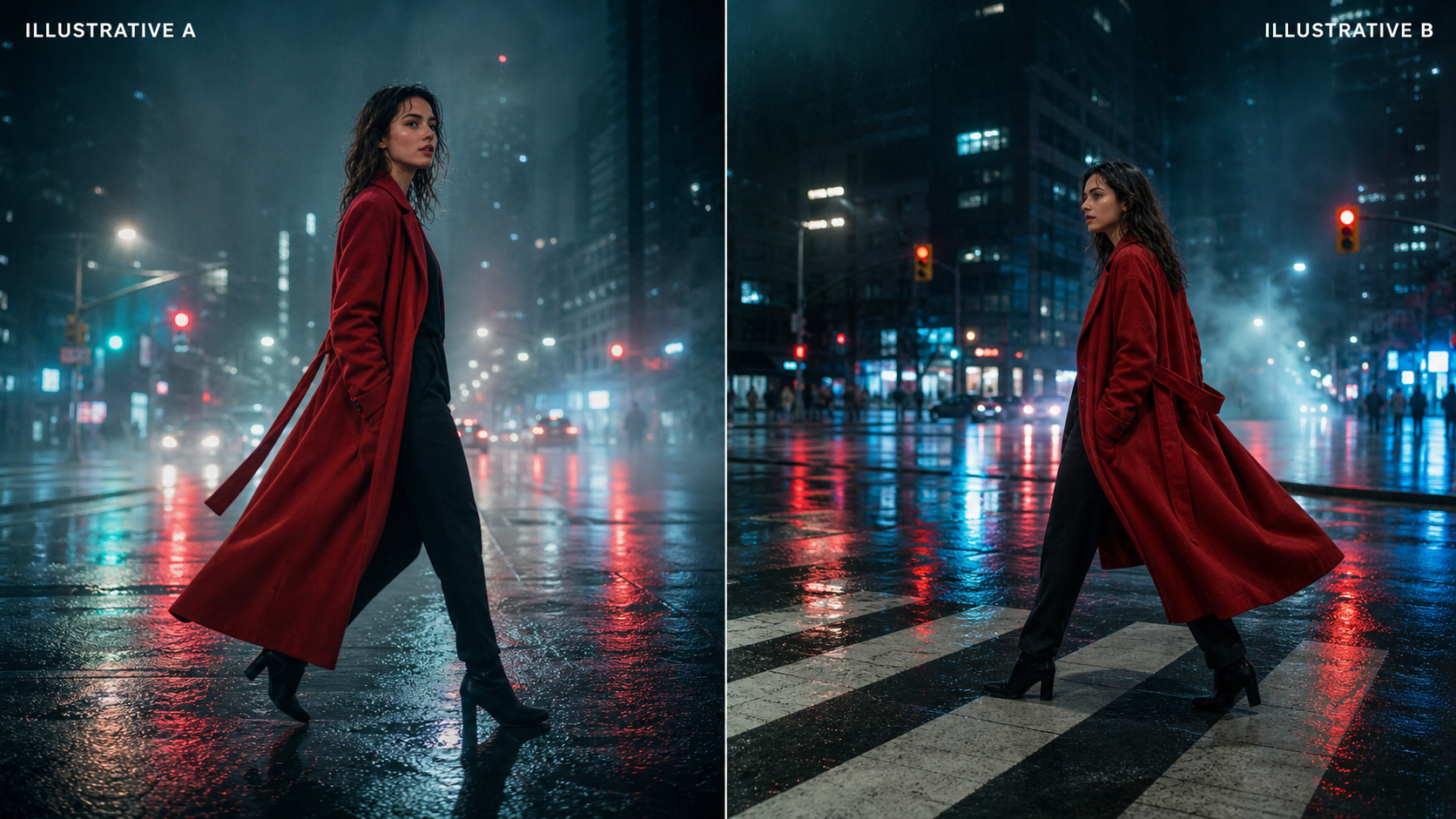
Flux Kontext AI is built for creators who prioritize precision and realism. Its strength lies in the Flux image to image process, which allows users to take an existing image — a sketch, a render, or a photo — and transform it into a detailed, polished version. Unlike faster but simpler models, Flux Kontext emphasizes texture accuracy, environmental depth, and multi-turn editing stability.
The Flux Kontext Pro version pushes this even further. It offers advanced tools for background replacement, object-level editing, and style transfer. These features make it ideal for professional scenarios such as marketing visuals, cinematic mockups, or product showcases where every detail counts.
If your work requires multiple refinement stages — for example, changing lighting, adjusting clothing folds, or adding environmental detail — Flux Kontext AI is designed to support that iterative process without breaking consistency.
3. What is Nano Banana AI?
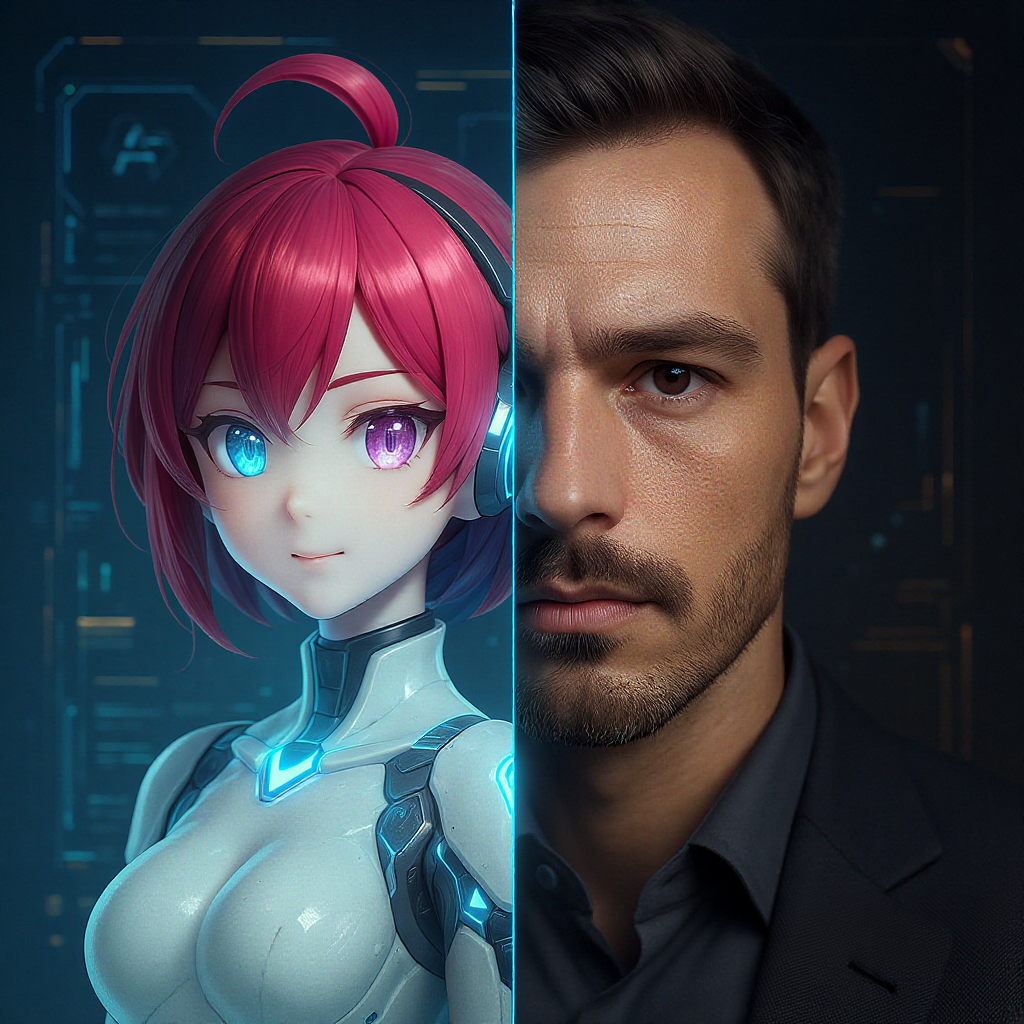
Nano Banana AI takes the opposite approach. Instead of diving deep into photorealism, the Nano Banana Model prioritizes speed, simplicity, and consistency. It produces outputs in just seconds, maintaining character fidelity across multiple generations. For creators producing fast drafts, anime-style characters, or simple 2D-to-3D conversions, Nano Banana’s performance is unmatched.
Another strength of Nano Banana is accessibility. While Flux Kontext Pro can feel technical for beginners, Nano Banana is straightforward. A single prompt can generate dozens of usable variations without requiring complex refinement.
Compared with tools like the Gemini image generator or Google AI Image Generator, Nano Banana’s edge is consistency. Characters generated once can be reproduced across multiple edits with minimal visual drift, which is crucial for animation, comics, or storyboarding.
4. Side-by-Side Comparison: Nano Banana AI vs Flux Kontext Pro
The real decision comes down to whether speed or realism matters most. Here’s how Nano Banana AI and Flux Kontext Pro compare across key features:
| Feature | Nano Banana AI | Flux Kontext Pro |
|---|---|---|
| Ease of Use | Beginner-friendly, single-prompt simplicity | Advanced, requires refinement and learning |
| Speed | Ultra-fast, seconds per output | Fast, but slower than Nano Banana |
| Editing Capabilities | Inpainting, 2D → 3D conversions, simple compositing | Background replacement, object-level edits, style transfer |
| Consistency | High character fidelity, stable across multiple runs | Realistic textures, reliable for multi-turn editing |
| Best Scenarios | Anime-style, storyboarding, quick concept drafts | Photorealism, professional visuals, iterative workflows |
From this table, it’s clear: Nano Banana dominates in accessibility and speed, while Flux Kontext Pro shines in realism and complexity.
5. When to Choose Nano Banana AI
Nano Banana AI is the best option when time and consistency are your priorities. If you’re working on projects where dozens of drafts or character poses need to be produced quickly, the Nano Banana Model makes that process seamless.
Its strengths are especially valuable for creators building anime characters, webcomics, or 2D-to-3D concept art. For example, a single character design can be rendered in multiple poses while keeping proportions, face, and features identical. This level of consistency makes Nano Banana stand out compared with the Gemini image generator or the Google AI Image Generator, both of which often struggle with visual drift.
If your workflow demands fast turnaround — such as rapid storyboarding, quick product visualization, or iterative concept design — Nano Banana provides speed without losing reliability.
6. When to Choose Flux Kontext Pro
Flux Kontext Pro is the clear choice when realism, detail, and professional-grade editing matter more than speed. Unlike simpler tools, Flux Kontext AI thrives on refinement. It is built to handle complex, multi-step edits where each adjustment — from lighting changes to background replacement — needs to look natural.
The Flux image to image workflow makes it especially powerful. For example, you can take a rough render or product photo and refine it into a polished marketing asset. You can swap out environments, adjust object textures, or even apply style transfer while maintaining a photorealistic look.
This makes Flux Kontext Pro ideal for professionals: ad agencies producing campaign visuals, artists preparing portfolio pieces, or brands needing hyper-detailed product shots. While it takes more time to master than Nano Banana AI, the depth of realism makes it worth the investment.
7. Workflow and Prompt Examples
Both Nano Banana AI and Flux Kontext Pro perform well, but their outputs shine in different situations. Looking at example workflows makes their strengths clearer:
-
Nano Banana AI: A prompt such as “Generate a 3D anime character from this 2D sketch, keeping facial details identical” produces results in seconds. The Nano Banana Model keeps character proportions consistent across multiple generations. This is particularly useful for storyboard artists or comic creators.
-
Flux Kontext Pro: A prompt like “Replace the office background with a natural forest, refine clothing textures, and adjust lighting for a golden-hour effect” shows the strength of Flux Kontext AI. The Flux image to image pipeline handles these refinements step by step, ensuring the final result looks realistic and cohesive.
These workflows highlight the fundamental choice: Nano Banana for speed and consistency, Flux Kontext Pro for depth and realism.
8. Pricing and Accessibility
Pricing and accessibility differ depending on which model you choose. Nano Banana AI offers a straightforward experience: a lightweight tool that anyone can use with minimal learning. Its pricing reflects this simplicity, making it easy for beginners, hobbyists, and indie creators to get started.
Flux Kontext AI, on the other hand, justifies its cost through advanced editing capacity. The Flux Kontext Pro tier is aimed at professionals who value realism and refinement. While the entry curve is steeper, the long-term payoff in quality makes it a strong investment for serious creators.
Both models are accessible, but the decision depends on your workflow. If you need fast, low-barrier experimentation, Nano Banana is better. If you need refined, professional outputs, Flux Kontext Pro delivers more value.
9. Final Recommendation
Your choice comes down to priorities. Nano Banana AI is best if you need ultra-fast character consistency, anime-style outputs, or 2D-to-3D conversions at scale. It is efficient, reliable, and perfect for rapid drafts.
Flux Kontext Pro, however, is unmatched for realism and precision. When you need photorealistic textures, complex object editing, or detailed background replacement, Flux Kontext AI is the stronger choice.
For many creators, the best option may not be “either/or.” Using both in tandem allows you to draft quickly with Nano Banana and refine deeply with Flux Kontext Pro. Together, they form a versatile toolkit for different stages of your creative process.
10. Beyond Nano Banana AI and Flux Kontext Pro
If you want to push even further, Flux Kontext Max offers advanced capabilities on top of the Pro version. It is designed for large-scale editing projects and professional pipelines that demand both speed and depth.
At the same time, it’s worth exploring alternatives. The Gemini image generator and Google AI Image Generator provide different approaches to AI creativity. While they lack Nano Banana’s character consistency, they remain useful for broader experimentation and diverse concept generation.
By combining tools like Nano Banana AI, Flux Kontext Pro, and Flux Kontext Max, creators can balance speed, detail, and versatility. Whether you are building storyboards, refining product images, or producing cinematic visuals, the ecosystem of AI models ensures there is always a tool that fits your workflow.
Conclusion
The debate of Nano Banana AI versus Flux Kontext Pro reflects a broader choice in AI creativity: speed and consistency versus realism and precision. Neither model fully replaces the other — instead, they serve different creative needs. By understanding their differences, you can match the right tool to the right task and maximize the value of your AI editing workflow.