Introduction
Artificial intelligence is rapidly changing how we create and consume content. Over the past few years, we’ve seen AI master text generation, image creation, and even voice synthesis. But video—the most powerful storytelling medium—has always been the hardest frontier to conquer. Producing cinematic-quality clips required expensive gear, large production teams, and weeks of editing.
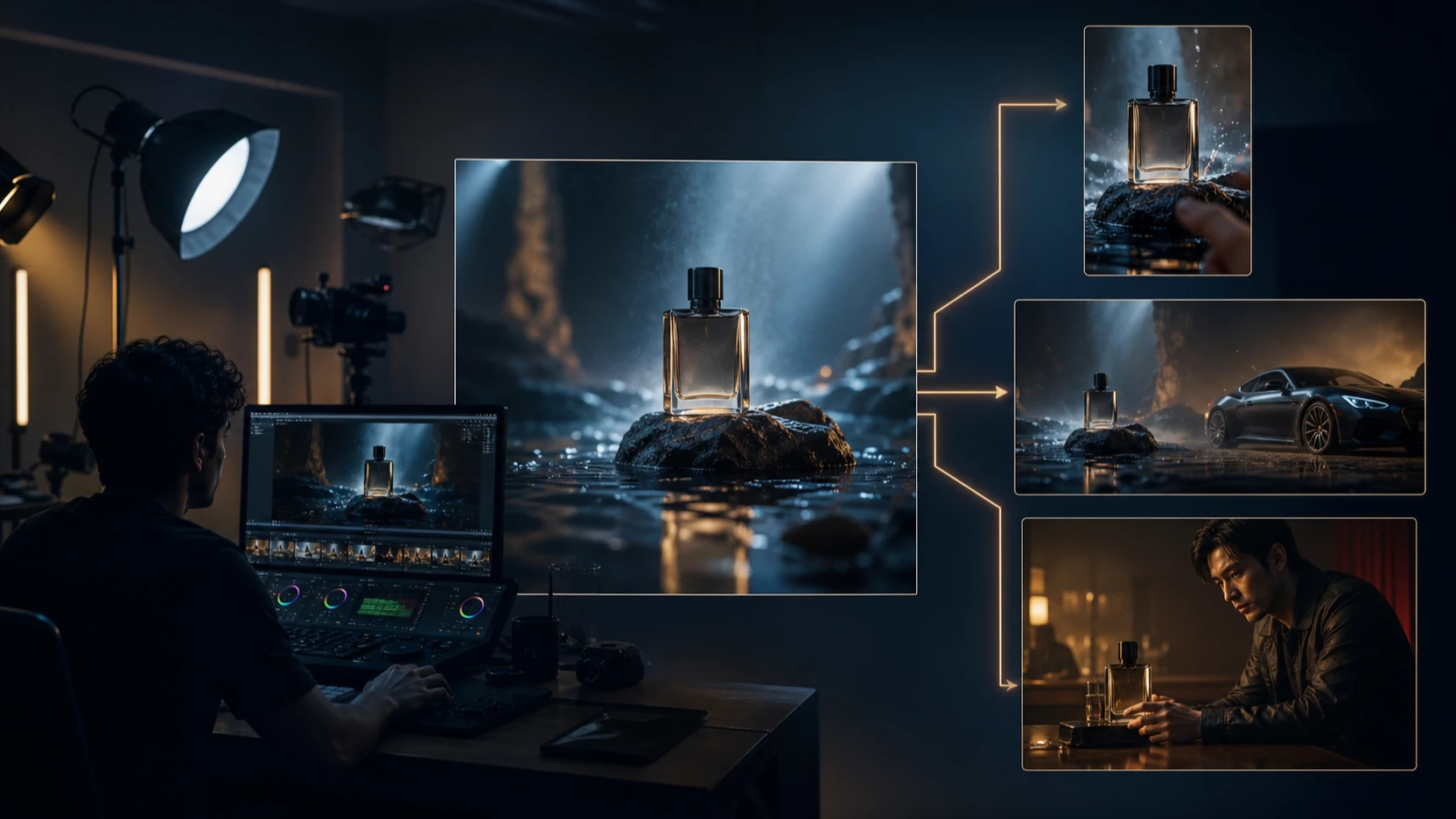
Now, models like Wan AI are rewriting those rules. The latest release, Wan AI 2.5, represents a breakthrough in image-to-video (I2V) generation. Imagine taking a single still photo and turning it into a smooth, cinematic sequence complete with realistic motion, dynamic camera work, and lifelike detail. That’s the promise of Wan 2.5.
To appreciate just how significant this step is, let’s first revisit what Wan 2.1 and **Wan 2.2 ** brought to the table, and then see how Wan 2.5 pushes things to the next level.
Wan 2.1: The Cinematic Foundation
When Wan 2.1 arrived, it caught everyone’s attention by proving that AI could generate clips with a true cinematic feel. Unlike earlier models that produced jittery or cartoonish videos, Wan 2.1 introduced more natural character modeling, expressive faces, and realistic environments.
It also came with a library of cinematic shot types—from dolly shots to over-the-shoulder perspectives—that gave generated videos the same language as professional filmmaking. For creators, this was a game-changer: a single text or image input could suddenly produce a clip that looked like it belonged in a short film.
For image-to-video, Wan 2.1 opened the door by allowing still photos to be animated into moving clips. The results were impressive but limited: videos were short, sometimes flickered, and required a powerful GPU to render smoothly. Still, Wan 2.1 laid the creative foundation for everything that followed.
Wan 2.2: Refining Realism and Motion
Wan 2.2 built directly on this foundation, focusing on refinement rather than reinvention. Where Wan 2.1 gave us cinematic style, Wan 2.2 gave us polish and consistency.
Videos generated with Wan 2.2 had smoother frame transitions, fewer glitches, and stronger logical flow across scenes. Facial expressions became more nuanced, showing subtle emotions like eye contact, smirks, or thoughtful pauses—details that make storytelling believable.
Most importantly for image-to-video, Wan 2.2 preserved the original photo’s detail better, while adding natural motion such as slow pans, zooms, or ambient environmental shifts. Creators could take a product photo, a portrait, or even a piece of concept art and turn it into a short cinematic reel with far fewer artifacts than before.
Wan 2.5: The Leap Into Next-Gen Image-to-Video
Enter Wan 2.5, the newest version, and a true leap forward in image-to-video generation. Instead of just animating stills with generic motions, Wan 2.5 introduces precision, fidelity, and longer storytelling capacity. The result? Clips that don’t just move—they feel alive.
Higher Resolution & Longer Clips
With support for 4K output, Wan 2.5 makes AI video suitable for professional-grade projects like advertisements, short films, and high-end social content. Longer durations mean you’re no longer confined to a few seconds—you can build actual sequences with flow and pacing.
Advanced Motion & Camera Control
Creators now have finer control over cinematic techniques: pans, tilts, zooms, rack focus, and even complex multi-scene transitions. A simple still portrait can now become a dynamic tracking shot that feels like it was filmed on set.
Photorealistic Fidelity
One of the biggest leaps is realism. Faces and fabrics look lifelike, with subtle details like hair movement, light reflections, and micro-expressions adding depth. The uncanny, “AI-generated look” is minimized, replaced by footage that could easily blend with live-action.
Multi-Modal Flexibility
Wan 2.5 doesn’t just stop at text and image inputs. It supports video-to-video editing, meaning you can feed it an existing clip and enhance or extend it. Style transfer is smoother, allowing for consistent artistic direction across multiple assets.
Efficiency & Accessibility
Even with all these upgrades, Wan 2.5 is optimized for faster rendering and works across more hardware setups. This means more creators—whether indie filmmakers, marketers, or hobbyists—can experiment without being locked out by extreme GPU demands.
Comparative Highlights Table
| Feature | Wan AI 2.1 | Wan AI 2.2 | Wan AI 2.5 |
|---|---|---|---|
| Resolution | 1080p cinematic shots | 1080p with smoother motion | 4K with longer clips |
| Motion Control | Pre-set cinematic shot library | Improved frame consistency | Fine-grained dynamic camera control |
| Character Realism | High fidelity, expressive detail | Nuanced emotional realism | Near-photorealistic quality |
| Input Types | Text & image | Text & image | Text, image, video-to-video |
| Accessibility | High-end GPU required | More streamlined workflows | Wider hardware support, faster speed |
Real-World Use Cases for Wan 2.5 (I2V)
The improvements in Wan 2.5 make it useful across a wide range of industries and creative fields:
- Marketing Campaigns: A static product photo can become a cinematic commercial in minutes.
- Social Media Creators: Portraits or selfies can be turned into engaging, shareable reels.
- Education: Diagrams or still illustrations can be animated into explainer videos, making learning more interactive.
- Filmmaking & Storyboarding: Directors can pre-visualize scenes directly from concept art or sketches.
- Gaming & VR: Game developers can convert concept art into immersive cutscenes or teasers.
Challenges and Considerations
As exciting as Wan 2.5 is, there are still hurdles to consider:
- Hardware Demand: Generating 4K clips will still tax GPUs, even with optimizations.
- Costs: Hosting platforms may charge more for high-resolution outputs.
- Ethical Risks: As image-to-video becomes indistinguishable from reality, misuse (deepfakes, misinformation) becomes a bigger concern.
- Learning Curve: More control features are great for professionals, but casual users may feel overwhelmed.
Conclusion: From Wan 2.1 to 2.5
The journey of Wan AI tells a story of relentless innovation:
- Wan 2.1 introduced cinematic style and expressive video generation.
- Wan 2.2 refined motion, realism, and usability, making outputs smoother and more natural.
- Wan 2.5 takes the bold step into 4K photorealism, extended storytelling, and true cinematic control.
For creators, brands, and storytellers, this isn’t just another upgrade. Wan 2.5 transforms the image-to-video space, making it possible to turn static images into fully realized cinematic experiences.
The future of video creation is no longer about cameras and crews—it’s about prompts, imagination, and AI models like Wan. And with Wan AI 2.5, that future has already begun.