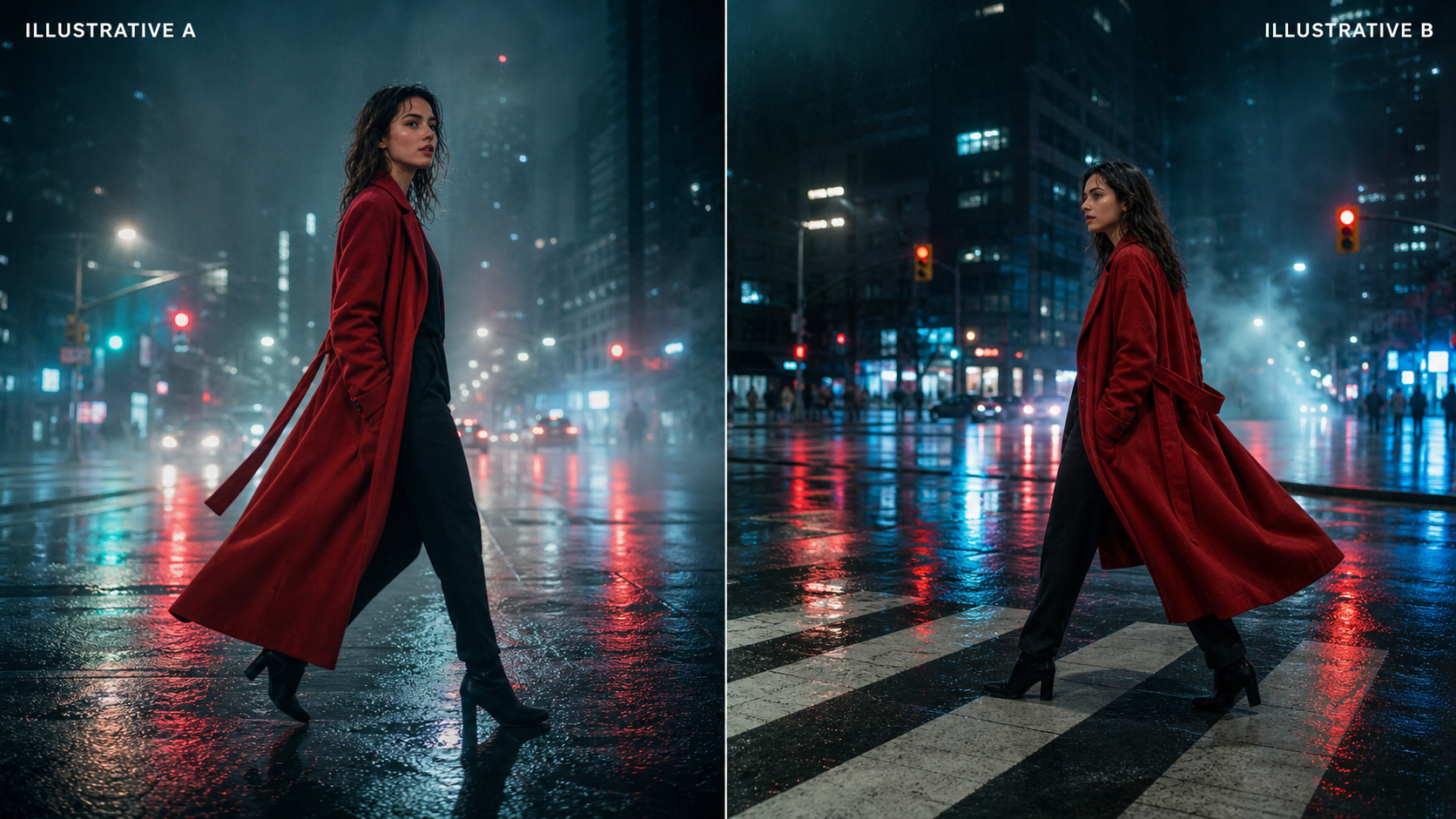
The rumored Gemini Omni model release is one of the more interesting AI video stories to watch, but it still needs careful language. As of May 19, 2026, Gemini Omni should be treated as leak-based unless Google officially confirms the model name, release timing, access path, and feature set.

For creators, marketers, educators, and short-form video makers, the big question is not only whether Gemini Omni launches. The more useful question is what a Gemini-native video workflow could change: in-chat video generation, conversational video editing, remixing, templates, stronger text rendering, better prompt understanding, and possible integration with Google’s Veo ecosystem. While waiting for confirmation, Google Veo 3.1 AI Video Generator on Fylia AI is the closest practical tool to test today.
Quick Summary
This Gemini Omni release prediction looks at what Google’s rumored model could mean for AI video generation if the leaks point in the right direction. The safest expectation is cautious optimism: Gemini Omni may bring video creation closer to a chat-based creative assistant, but creators should still rely on available tools such as Google Veo 3.1 AI Video Generator, AI video generator, and Kling 3.0 AI Video Generator workflows until Google confirms more.
Why the Gemini Omni Model Release Matters for AI Video
The Gemini Omni model release matters because it could make AI video feel less like one-shot prompting and more like an ongoing creative conversation. Many current video tools are powerful, but creators often have to restart when they want a small change: a different camera move, better text, a cleaner product shot, or a shorter social cut.
If Gemini Omni appears as a video-capable Gemini experience, the advantage may be workflow depth rather than only raw video quality. A creator might ask for a product teaser, then follow up with “make it vertical,” “keep the same character,” “replace the background with a classroom,” or “turn this into three TikTok hooks.” That kind of conversational loop could be more useful than a single impressive clip.
The caution is simple: leaks are not product documentation. Until Google confirms Gemini Omni, every prediction should stay conditional.
Gemini Omni New AI Video Features That Could Be New
The most discussed Gemini Omni new AI video features point toward a more interactive video creation system. None should be treated as confirmed yet, but they do match the direction of AI video tools in 2026.
Possible features include:
- In-chat video generation inside Gemini: Users may be able to generate short clips directly in a Gemini conversation instead of opening a separate tool.
- Conversational video editing and remixing: Follow-up prompts could revise motion, pacing, lighting, camera style, subject behavior, or scene structure.
- Template-based video creation: Gemini could help build ads, explainers, product demos, educational clips, and short-form videos from reusable formats.
- Stronger text rendering in AI video: Better handling of title cards, labels, signs, UI text, captions, and product text would be valuable for commercial use.
- Better prompt understanding: A Gemini-native model could translate casual creative direction into more precise video instructions.
- Possible Google Veo ecosystem integration: Gemini could act as the planning and editing interface while Veo-style generation handles video output.
If these features arrive, what Gemini Omni could change for creators is the editing loop. Instead of treating each generation as a separate attempt, creators could work through a sequence of revisions in the same conversation.
In-Chat Video Generation Inside Gemini Could Lower the Prompt Barrier
In-chat video generation would make AI video easier for beginners because the user would not need to know every production term upfront. A marketer could describe a campaign idea in plain language, an educator could request a lesson visual, and a short-form creator could ask for multiple hook ideas before choosing a direction.
The real test would be whether Gemini can preserve context across revisions. For example, if a user asks for a clean product demo and then requests a close-up, the model needs to keep the product, color palette, style, and intent consistent. If every follow-up feels like a new generation with a loose memory, the chat interface may be convenient but not transformative.
For now, creators can simulate part of this workflow by drafting prompts in Gemini or another assistant, then testing output in Fylia AI’s Google Veo 3.1 AI Video Generator or a broader AI video generator workflow.

Google Veo 3.1 AI Video Generator Is the Closest Tool to Try Now
The best Veo 3.1 alternative while waiting for Gemini Omni is not really an alternative at all: it is the current Google video model workflow creators can use and compare now. Google Veo 3.1 AI Video Generator on Fylia AI is the most relevant Google video model page available on Fylia AI, so it is the practical recommendation for readers who want to test Google-style AI video generation today.
A Google Veo 3.1 AI video workflow on Fylia AI can help creators build a baseline before Gemini Omni is confirmed. Test the same prompt across cinematic scenes, image-to-video tasks, product shots, social clips, and text-heavy title-card ideas. Save the prompts that work, note what fails, and use those results as a benchmark if Gemini Omni becomes available.
This also keeps expectations grounded. Gemini Omni vs Google Veo 3.1 may become an important comparison, but it will depend on what Gemini Omni actually is: a new model, a Gemini interface for Veo, a broader multimodal assistant, or a limited experiment.
Gemini Omni vs Google Veo 3.1, Kling 3.0, Seedance 2.0, Sora 2, and Other AI Video Generators
The smartest way to evaluate Gemini Omni is by use case, not by hype. Different AI video generators are useful for different jobs, and creators should compare them across motion quality, prompt control, text handling, audio, consistency, speed, and editing workflow.

| Tool or model | Useful comparison angle | Best-fit creator scenario |
|---|---|---|
| Google Veo 3.1 AI Video Generator | Gemini Omni vs Google Veo 3.1 for Google-style cinematic generation | Creators who want the closest current Google video workflow on Fylia AI |
| Kling 3.0 AI Video Generator | Gemini Omni vs Kling 3.0 for motion, camera control, and cinematic scenes | Short-form creators and marketers testing dynamic video generation |
| Seedance 2.0 | Controlled video generation and reference-based iteration | Teams that care about structure, repeatability, and creator workflows |
| Sora 2 | High-end generative video expectations and narrative clips | Creators comparing premium AI video model behavior |
| Happy Horse 1.0 | Expressive video generation and audio-aware creative testing | Social video makers exploring unusual or stylized clips |
| Hailuo 2.3 | Fast visual drafts and lightweight image-to-video tests | Creators who need quick concept exploration |
| Vidu Q3 | Short-form video drafts and practical AI video workflows | Teams testing social clips and creator iterations |
| Higgsfield AI | Character-driven, creator-friendly visual experimentation | Influencers, fashion creators, and stylized short-form makers |
For comparison reading inside the Fylia AI ecosystem, start with Veo 3.1 AI Video Generator vs Top Models on FluxProWeb: The New Era of Cinematic AI, Best AI Video Generator Models in 2026: How to Choose on Fylia AI, and Kling 3.0 vs Kling 2.6: What’s New, What’s Coming Soon.
What Gemini Omni Could Change for Creators, Marketers, Educators, and Short-Form Video Makers
What Gemini Omni could change for creators depends on how much of the rumored workflow becomes real. The biggest impact would come from turning AI video into an iterative assistant instead of a render button.
For creators, Gemini Omni could make idea-to-clip workflows faster. A creator could brainstorm a scene, create a draft, remix the hook, change the pacing, and produce variations without rebuilding prompts from scratch.
For marketers, stronger text rendering and template-based creation would matter most. Product explainers, ad variants, sale announcements, and branded title cards need readable text and repeatable layouts. If Gemini Omni improves those details, it could reduce the need for manual repair in editing software.
For educators, conversational editing could help turn lesson concepts into short visual explainers. A teacher might ask for a simple science animation, then request a slower version, a classroom-friendly metaphor, or a vertical version for mobile learning.
For short-form video makers, the useful feature would be remix speed. If Gemini Omni can generate multiple intros, hooks, scene variations, and formats from one creative brief, it could fit the way TikTok, Reels, Shorts, and ad testing already work.
A Practical AI Video Generator Workflow While Waiting for Gemini Omni
The best AI video generator for Gemini Omni alternatives is the one that helps you test real creative constraints now. Instead of waiting for one rumored model, build a repeatable workflow on Fylia AI with Google Veo 3.1, Kling 3.0, and other models that fit your production style.
Try this workflow:
- Start with Google Veo 3.1 AI Video Generator for cinematic Google-style generation.
- Use Kling 3.0 AI Video Generator for dynamic motion, camera moves, and action-oriented scenes.
- Use AI video generator options for text and image prompts when you want broader model flexibility.
- Compare Seedance 2.0, Sora 2, Happy Horse 1.0, Hailuo 2.3, Vidu Q3, and Higgsfield AI when the job needs a different style or control profile.
- Keep a prompt log with prompt text, reference image, aspect ratio, model, result notes, and revision ideas.
- Re-test your best prompts if Gemini Omni becomes official, then compare output quality rather than relying on announcement language.
This workflow gives creators a fair baseline. It also makes Gemini Omni vs Kling 3.0 or Gemini Omni vs Google Veo 3.1 a practical comparison instead of a brand debate.
Risks to Watch Before Trusting Gemini Omni Hype
Creators should watch the practical details because they decide whether Gemini Omni is useful in real production. A model can look excellent in a launch demo and still be difficult for daily work.
Key questions to verify if Google announces Gemini Omni:
- Is Gemini Omni a public product, an experiment, an enterprise feature, or a developer preview?
- Does it generate video directly inside Gemini, or does it connect to a Veo tool behind the scenes?
- What are the usage limits, queue times, output durations, and region restrictions?
- Can it preserve characters, products, and visual style across edits?
- How well does it render readable text in motion?
- Does it support audio, dialogue, music, or synced effects?
- Can creators export clean files for editing, ads, social posts, and client work?
Until those questions are answered, the most responsible view is that Gemini Omni is promising but unproven.
Recommended Articles
In-site articles:
- Veo 3.1 AI Video Generator vs Top Models on FluxProWeb: The New Era of Cinematic AI
- Flow AI Video Generator Review: Is Google’s Creative Studio Better Than VEO 3.1?
- Best AI Video Generator Models in 2026: How to Choose on Fylia AI
- Kling 3.0 vs Kling 2.6: What’s New, What’s Coming Soon
- Seedance 2.0 for AI Video Creators: Practical Access Guide
- Happy Horse AI News: Why HappyHorse 1.0 Is Turning AI Video Into a New Race
People also read:
- Gemini Omni Latest Info: What Google’s Rumored Video Update Could Change for AI Creators
- Gemini Omni New Model Latest Info: What We Know, What’s Leaked, and What Creators Can Use Now
- Veo 3.1 Video Generation Guide: How to Create Cinematic Clips
- SeaImagine AI Text-to-Video Guide: How to Choose Models and Create Better Clips
- How to Use the AI Music Video Generator: A Detailed Guide from Song to Video
FAQ
Has Google officially confirmed Gemini Omni?
Not in the article’s cautious framing. Treat the Gemini Omni model release as rumor-based unless Google publishes an official announcement, product page, developer documentation, or Gemini release note.
What Gemini Omni new AI video features are most likely to matter?
The most useful rumored features are in-chat video generation, conversational video editing, remixing, template-based video creation, stronger text rendering, better prompt understanding, and possible Veo ecosystem integration.
Is Google Veo 3.1 AI Video Generator a Gemini Omni alternative?
Google Veo 3.1 AI Video Generator on Fylia AI is the closest practical Google video workflow while waiting for Gemini Omni. It is not the same as Gemini Omni, but it gives creators a real baseline for testing cinematic AI video generation now.
How should creators compare Gemini Omni vs Kling 3.0?
Compare Gemini Omni vs Kling 3.0 by motion quality, camera control, prompt understanding, consistency, editing workflow, and export usefulness. Kling 3.0 is already useful for dynamic video generation tests, while Gemini Omni still needs official confirmation.
What is the best AI video generator for Gemini Omni alternatives?
Start with Google Veo 3.1 on Fylia AI for the closest Google video model workflow, then compare Kling 3.0, Seedance 2.0, Sora 2, Happy Horse 1.0, Hailuo 2.3, Vidu Q3, and Higgsfield AI based on your specific creative task.
Conclusion
The Gemini Omni model release could become important if Google turns video generation into a more conversational, editable, and template-friendly Gemini workflow. The possible new AI video features are compelling, especially in-chat generation, remixing, stronger text rendering, and Veo ecosystem integration, but creators should wait for official confirmation before treating them as facts.
In the meantime, Fylia AI gives creators a practical path. Use Google Veo 3.1 AI Video Generator as the closest current Google video model workflow, then compare it with Kling 3.0 AI Video Generator, AI video generator options, Seedance 2.0, Sora 2, Happy Horse 1.0, Hailuo 2.3, Vidu Q3, and Higgsfield AI before deciding what belongs in your production stack.